Crypto Payments in France 2026
[Disclaimer: This content is provided for informational and educational purposes only and should not be considered financial, investment, legal, or tax advice. Cryptocurrency involves risk, including the potential loss of capital. Market conditions can change rapidly, and past performance is not indicative of future results. Readers should conduct their own research and consult a licensed financial advisor or qualified professional before making any investment or purchasing decisions. The author and publisher are not responsible for any actions taken based on the information presented.]
The image of crypto is changing in France. It’s no longer viewed as a speculative gamble or a tech experiment reserved for traders. It’s becoming something much more familiar: a practical way to pay. As 2026 unfolds, more French consumers are discovering that using crypto for everyday transactions, from coffee to concert tickets! Across the country, a quiet revolution is reshaping how people think about money, travel, and spending.

The New Normal: Paying with Crypto in France
France has been leading fintech innovation in Europe, and regulatory clarity is accelerating that progress. The EU’s Markets in Crypto-Assets Regulation (MiCA) and the updated Payment Services Directive (PSD3) are creating a safer, more transparent environment for digital payments. With clearer rules, both consumers and businesses gain confidence in using crypto the same way they use traditional digital banking.
This change is already visible. Shops in Paris, online retailers in Lyon, and public transport systems across the country are exploring or adopting crypto-friendly payment options. What used to be niche has quickly become part of the French fintech ecosystem.
Crypto Adoption in France: From Fast Food to Luxury Retail
Crypto is leaving the world of trading apps and entering familiar places. To name a few examples:
In Paris, Burger King now accepts crypto payments through Binance Pay and Alchemy Pay, letting customers buy meals with Bitcoin, Ethereum, or stablecoins while the restaurant receives euros instantly.
Luxury retail is following. Printemps has become one of Europe’s first major department stores to accept Bitcoin and Ethereum in-store, signaling strong confidence from premium brands in regulated digital payments.
Together, these examples show how digital assets are becoming part of normal consumer spending across France.
The Traveler’s Experience: Spending Crypto Across Borders
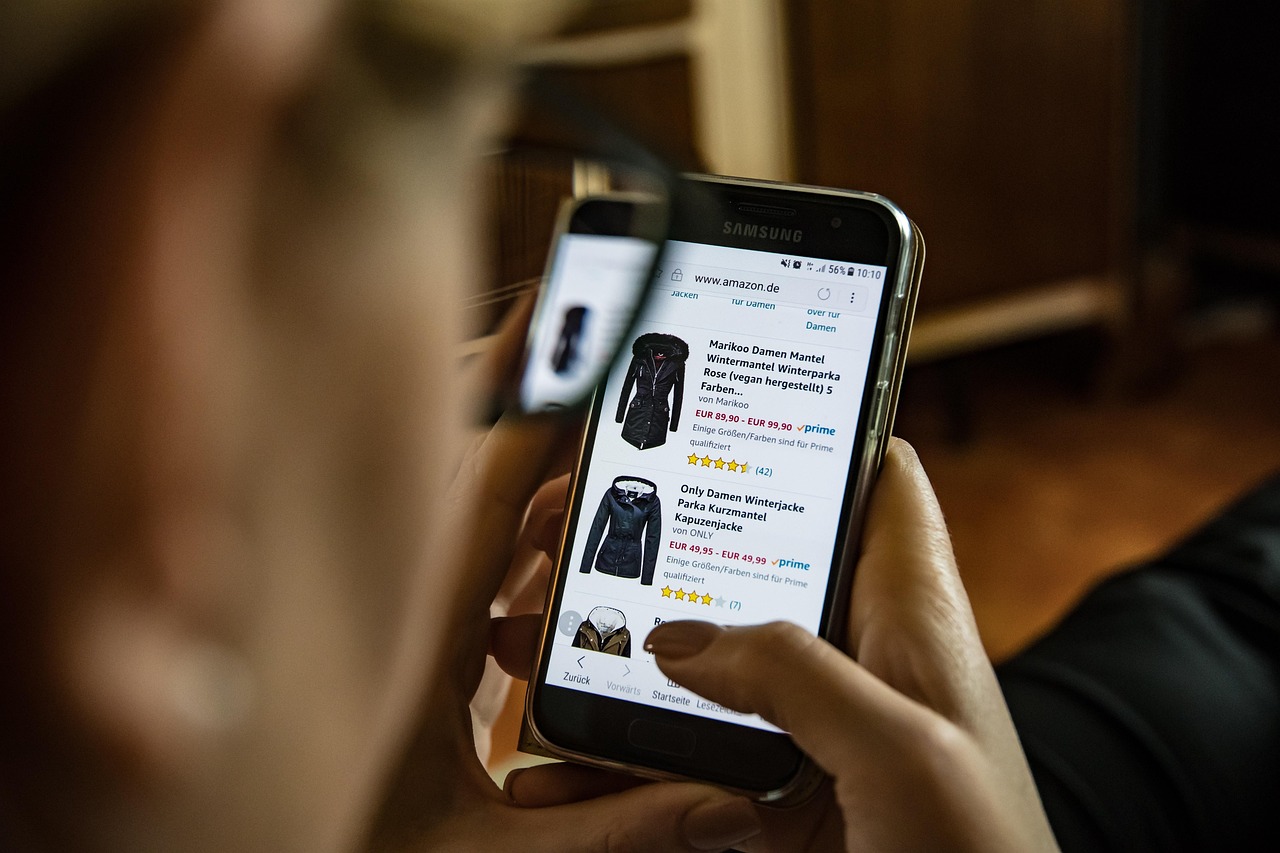
Crypto is also changing how people travel in and out of Europe. Wallets linked to services like eGlobex give travelers a simple alternative to credit cards and bank transfers, removing concerns about conversion fees or delayed payments.
- Several travel companies are pushing this shift forward.
- Corsair accepts crypto for flight tickets via BitPay.
- Altinium, a French private aviation firm, allows charters paid in digital assets.
- Alternative Airlines supports over 100 cryptocurrencies across 600 airlines.
- Emirates plans to accept crypto starting 2026 through a partnership with Crypto.com.
From flights to hotels and dining abroad, crypto makes cross-border spending faster and more seamless, especially for beginners who already feel comfortable with digital banking apps.
Everyday French Life: The Rise of the Digital Wallet
Crypto is quietly becoming part of France’s daily routines. Tools like the Oobit crypto card allow users to pay with Bitcoin, Ethereum, USDT, or stablecoins at any Visa-accepting merchant. Meanwhile, the public transport network Tisséo in Toulouse has been accepting crypto for tickets since 2025.
Mobile apps like eGlobex help people manage crypto and euros in one place, with instant conversion and insured custody that make digital payments feel safe and familiar. This combination of convenience and protection is helping crypto blend naturally into daily life.
Why 2026 Is the Turning Point
2026 is the year MiCA fully enters into force. This regulation brings strict licensing, security, and consumer protection standards to the crypto industry. With clear rules, merchants gain confidence and consumers benefit from better safeguards, transparent fees, and reliable euro-pegged stablecoins.
At the same time, it is important to note that crypto assets remain fundamentally different from traditional financial products. Even under MiCA, they are not backed by securities compensation schemes in Europe, meaning users do not have the same protections they would with regulated investment products. MiCA improves safety and trust, but it does not eliminate all risks. Crypto continues to require responsible use and awareness, especially for new investors.
eGlobex Makes It Simple
For newcomers, crypto can be confusing. eGlobex removes that barrier by offering an all-in-one platform where users can hold euros and cryptocurrencies in the same app. With a secure interface, easy conversions, and multiple payment solutions, every transaction feels safe and familiar.
Whether someone is topping up their wallet, paying for a train ticket, or shopping online, eGlobex turns digital assets into an everyday convenience rather than a technical challenge.
A New Currency for a Familiar Lifestyle
Crypto in France is becoming part of normal life, from retail to travel to luxury experiences. The upcoming digital euro represents a shift toward payment systems built around choice, speed, and flexibility. For many French users, 2026 is the year crypto stopped feeling like an investment experiment and started becoming something more familiar: another modern way to pay.
To experience how simple crypto payments can be, visit eGlobex and explore a smarter, more flexible way to manage your money.
other blogs

Gold vs Bitcoin: Which Is the Modern Store of Value?
For centuries, people have turned to reliable assets to preserve wealth during uncertain times. Gold has long held this role. It has survived recessions, wars, and inflation, acting as a universal benchmark of value.

Ethereum’s Evolution: From Smart Contracts to Global Utility
Discover how Ethereum evolved from a programmable blockchain into a global digital infrastructure. Learn how smart contracts, Ethereum 2.0, and real-world applications expanded its utility, plus how beginners can explore Ethereum safely with eGlobex.

IBAN VS RIB: What’s the difference in France?
Learn how non-residents, digital nomads, and expats can open an EU IBAN account, including eligibility, onboarding, and benefits.

Is It Safe to Share Your IBAN? What You Need to Know
Learn how non-residents, digital nomads, and expats can open an EU IBAN account, including eligibility, onboarding, and benefits.

Can You Get an EU IBAN Without Living in France?
Learn how non-residents, digital nomads, and expats can open an EU IBAN account, including eligibility, onboarding, and benefits.
Virtual Globex Cards Explained
Learn how Globex virtual cards work and how they can help you shop online securely. Discover their key features, benefits, and how to manage multiple cards with ease.

Smart Spending: Making the Most of Cashback and Cash Advances
Discover how contactless payments, Apple Pay, and Google Pay are transforming transactions in Europe. Learn about adoption rates and spending habits. Is Europe going fully cashless? Find out now!

Paying Across Europe: Cashless vs Cash-Heavy Countries Explained
Travelling in Europe? Discover which countries rely on cash and where digital payments dominate. Stay prepared with insights from eGlobex.
Tap & Go: How Contactless Payments Are Taking Over Europe
Discover how contactless payments, Apple Pay, and Google Pay are transforming transactions in Europe. Learn about adoption rates and spending habits. Is Europe going fully cashless? Find out now!
join our newsletter

Services
ABOUT
HELP
Globex is registered in France with the registration number 794844605. Registered Office: 13 BD de la République, 06240 Beausoleil, France. Globex is licensed by the ACPR Banque de France (REGAFI number: 61416). Globex is an official agent (reference number: C141356) of Western Union Ireland (C55075), licensed by the Central Bank of Ireland. Globex is a distributor of PFS Card Services (Ireland) Limited under its E-Money license
The Globex Prepaid Mastercard is issued by PFS Card Services (Ireland) Limited pursuant to a license by Mastercard. PFS Card Services (Ireland) Limited, trading as PCSIL, is authorised and regulated as an issuer of electronic money by the Central Bank of Ireland under registration number C175999. Registered office: EML Payments, 2nd Floor La Vallee House, Upper Dargle Road, Bray, Co. Wicklow, Ireland.
Mastercard and the circles design are registered trademarks of Mastercard International Incorporated.