
How Ethereum Grew from Smart Contracts to Global Digital Utility
[Note: This is not financial advice. Consult your financial advisor before making any big purchase/ investment.]
Bitcoin may have introduced the world to digital money, but Ethereum changed what money could do. Where Bitcoin acts as “digital gold,” Ethereum became the backbone of a new kind of internet—one that replaces centralized systems with code that runs on trustless, decentralized logic.
Since its launch, Ethereum has grown beyond being a cryptocurrency. It’s a platform that powers applications, digital assets, and automated agreements that work without middlemen. This is the story of how Ethereum evolved from a bold idea into one of the most influential technologies shaping modern digital life.
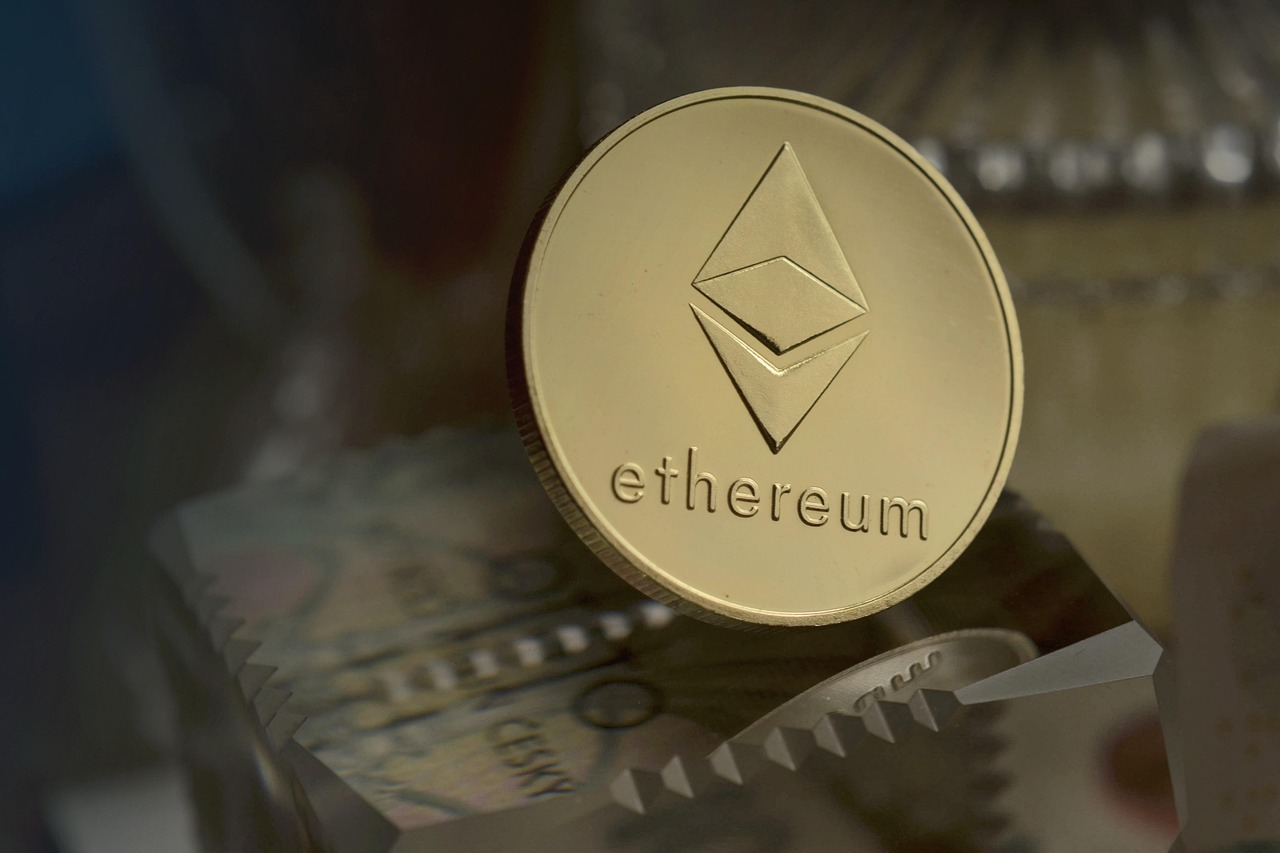
The Origin Story: Building More Than a Currency
Ethereum was born out of frustration with Bitcoin’s limitations. In 2013, a young programmer named Vitalik Buterin imagined a blockchain that could do more than record transactions. He envisioned a programmable platform where developers could build decentralized applications that operated without banks, brokers, or centralized servers. By 2015, that vision became reality with the launch of Ethereum.
The key to Ethereum’s innovation was the smart contract. A smart contract is a piece of code stored on the blockchain that automatically executes when certain conditions are met. Unlike traditional agreements, smart contracts require no intermediaries. They enforce themselves. This idea transformed blockchain from a financial ledger into a foundation for countless digital systems.
What began as an experimental framework for automation quickly grew into a hub for innovation. Developers realized they could use Ethereum to create decentralized finance platforms, issue digital art through NFTs, and even build online communities governed by code. Ethereum turned the blockchain into a toolkit for building new types of economies.
How Smart Contracts Changed Everything
Smart contracts gave Ethereum its purpose. They allowed developers to build systems that handled money, identity, and ownership without centralized control. A crowdfunding campaign could now collect contributions from people around the world, automatically releasing funds when the goal was met. Musicians could sell songs directly to fans and receive royalties automatically, every time their music was played. Entrepreneurs could create peer-to-peer lending services without a bank ever touching the funds.
These innovations made Ethereum the default platform for building in the crypto world. Instead of being just another coin, it became the infrastructure of decentralized innovation. For beginners trying to understand its value, the simplest comparison is to think of Ethereum as the “app store” of blockchain. It’s where thousands of projects are built and launched. Each transaction on these apps requires a small amount of Ether (ETH), the network’s native token, to function. That’s why Ether has value—it powers the ecosystem itself.
Ethereum’s strength lies in its flexibility. It can host everything from digital collectibles and art marketplaces to complex financial systems. This ability to power both creativity and commerce explains why so much of the modern crypto economy is built on its network.
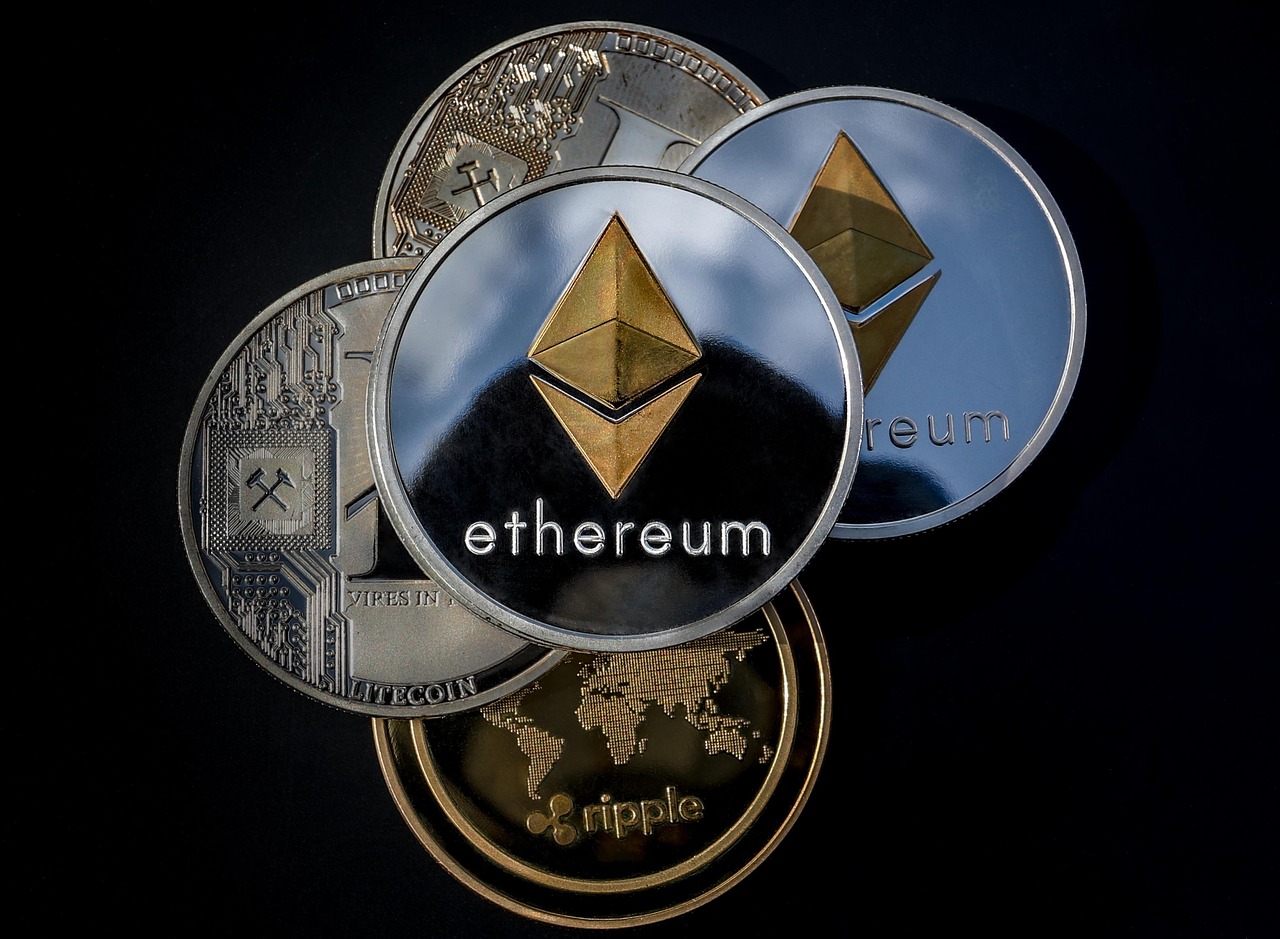
The Shift to Ethereum 2.0: Cleaner, Faster, Smarter
As Ethereum grew, so did its challenges. The network struggled with high fees and energy consumption under its original proof-of-work system—the same model used by Bitcoin. Developers knew that for Ethereum to reach global scale, it needed a new approach. That led to one of the most significant upgrades in blockchain history: Ethereum 2.0.
In 2022, Ethereum officially transitioned to proof-of-stake, a consensus mechanism that replaced miners with validators who secure the network by holding, not burning, energy. This single change reduced Ethereum’s energy consumption by over 99%. It made the blockchain cleaner, more efficient, and more sustainable without compromising security.
For everyday users, this evolution means faster transaction times and lower costs. It also sets the stage for further improvements like “sharding,” which will allow Ethereum to process thousands of transactions per second. The new Ethereum is built to handle the future of digital commerce—efficiently, responsibly, and at scale.
Ethereum’s Real-World Utility Today
Today, Ethereum supports industries far beyond finance. In the world of decentralized finance (DeFi), it serves as the foundation for lending, saving, and trading systems that operate without traditional banks. Users can earn interest, borrow funds, or trade tokens, all within a network governed by transparent code.
In art and culture, Ethereum gave rise to NFTs—digital assets that represent unique ownership of items like artwork, music, and collectibles. This shift empowered creators to reach global audiences and earn directly from their work. In entertainment, Ethereum powers gaming economies where players own in-game assets that can be traded or sold outside the game itself.
These aren’t just trends. They’re indicators that Ethereum’s purpose extends well beyond crypto speculation. It’s becoming the invisible infrastructure behind many aspects of the digital economy. Whether someone is investing in art, participating in a virtual world, or managing decentralized savings, Ethereum often operates quietly in the background—making it all possible.
The Global Expansion: Ethereum as Internet Infrastructure
Ethereum’s reach now extends far beyond crypto space. It powers thousands of startups, networks, and financial tools around the world. Major institutions and global brands are exploring how Ethereum’s technology can modernize traditional systems. From tokenized real estate and digital bonds to government experiments with blockchain-based records, Ethereum is shaping how data, value, and identity flow across borders.
What makes this growth significant is its accessibility. Developers can build on Ethereum using open-source tools, and users can access Ethereum-based services through everyday apps and browsers. It’s no longer the exclusive domain of coders or investors. For millions of users, interacting with Ethereum now feels as natural as logging into an online account.
As more businesses and governments explore blockchain adoption, Ethereum is often the platform of choice due to its security, transparency, and long track record of reliability. Its role has evolved from powering crypto tokens to supporting the next generation of global digital infrastructure.
How eGlobex Helps Beginners Join the Ethereum Ecosystem
For beginners, the world of Ethereum can still feel complex. That’s where eGlobex comes in. As a trusted European fintech platform, eGlobex provides users with an easy and secure entry point into the Ethereum ecosystem. Through eGlobex, users can buy, store, and manage Ethereum alongside other digital assets within a single, EU-regulated account.
With features like a secure EU IBAN, insured digital custody, and instant conversions between euros and Ether, eGlobex removes the confusion that often surrounds crypto onboarding. Users don’t need to understand every technical detail of the blockchain—they just need a reliable tool to explore it safely. Whether it’s sending crypto payments, holding Ether as an investment, or participating in decentralized applications, eGlobex makes it straightforward.
By focusing on clarity, security, and usability, eGlobex helps French and European users bridge the gap between traditional finance and the crypto economy. It’s a simple way to access the future of digital payments and decentralized innovation.
Ethereum’s Next Chapter
Ethereum’s evolution shows that crypto was never just about coins. It was about creating systems that reimagine how value moves, how ownership is verified, and how trust is built online. From its beginnings as a programmable blockchain in 2015 to its energy-efficient, global form today, Ethereum has proven that digital assets can have real-world utility.
As the network continues to upgrade—improving speed, scalability, and accessibility—its impact will only deepen. The next chapter for Ethereum isn’t just about finance or technology. It’s about giving everyday users the tools to participate in a more open, efficient digital economy.
For anyone curious about where to begin, platforms like eGlobex make it possible to take that first step with confidence. The future of money and technology is already here, and Ethereum is helping to build it—one smart contract at a time.
other blogs

Crypto in Daily Life: What You Can Actually Use It For Today
Explore how crypto is used in daily life in France. Learn real-world use cases, from payments to transfers, and how to start using crypto today.

How Crypto Works Without the Hype: A Beginner’s Plain-English Guide
Learn how crypto works in simple terms. This beginner-friendly guide explains how to buy, store, and use crypto without the hype or technical jargon.
New TO the South of France? Here’s the One Place You Can Walk In, Get Help, and MANAGE YOUR Money
For centuries, people have turned to reliable assets to preserve wealth during uncertain times. Gold has long held this role. It has survived recessions, wars, and inflation, acting as a universal benchmark of value.

Crypto Glossary for Normal People: Terms You Actually Need
For centuries, people have turned to reliable assets to preserve wealth during uncertain times. Gold has long held this role. It has survived recessions, wars, and inflation, acting as a universal benchmark of value.
Money Remittance : How to Send Money to Your eGlobex IBAN
Sending money to your eGlobex account is easier than you might think. Whether you’re abroad or prefer using cash, global money transfer agencies like Western Union, MoneyGram, or Ria make it simple to fund your account quickly and securely.

EGLOBEX CRYPTO WALLETS AVAILABLE SOON
Trace the evolution of cryptocurrency from early cryptography experiments to Bitcoin, Ethereum, DeFi, and institutional adoption. A clear overview of crypto’s history and growth.
A Brief But Comprehensive History of Crypto
Trace the evolution of cryptocurrency from early cryptography experiments to Bitcoin, Ethereum, DeFi, and institutional adoption. A clear overview of crypto’s history and growth.
Crypto in France : Open your eGlobex Crypto Wallet
Discover how crypto payments are evolving in France in 2026 and how digital currency is entering everyday transactions.

Ripple’s Role in Global Transfers: The Business Case for XRP
Learn how Ripple and XRP streamline cross-border payments with faster settlement, lower costs, and real-time liquidity. Explore the business case for modern global transfers.
join our newsletter

Services
ABOUT
HELP
Globex is registered in France with the registration number 794844605. Registered Office: 13 BD de la République, 06240 Beausoleil, France. Globex is licensed by the ACPR Banque de France (REGAFI number: 61416). Globex is an official agent (reference number: C141356) of Western Union Ireland (C55075), licensed by the Central Bank of Ireland. Globex is a distributor of PFS Card Services (Ireland) Limited under its E-Money license
The Globex Prepaid Mastercard is issued by PFS Card Services (Ireland) Limited pursuant to a license by Mastercard. PFS Card Services (Ireland) Limited, trading as PCSIL, is authorised and regulated as an issuer of electronic money by the Central Bank of Ireland under registration number C175999. Registered office: EML Payments, 2nd Floor La Vallee House, Upper Dargle Road, Bray, Co. Wicklow, Ireland.

Mastercard and the circles design are registered trademarks of Mastercard International Incorporated.